
Vimeo AI Credits
Helping users understand and adopt AI value—without surprise or pressure
As Vimeo rolled out AI-powered features, usage initially came from Enterprise customers who had AI credits included into their contracts. Some of these users were using AI, but once they ran out of credits, they had no way to purchase more without hitting a hard block.
At the same time, AI credits were rolling out to self-serve users but we lacked clarity around what AI credits were and how they're used.
This project focused on turning AI credits into a clear, flexible, self-serve experience that supported both Enterprise and self-serve users, aligned with real usage patterns, and unlocked sustainable add-on growth.
My Role
I led UX design and in-depth user research for AI credits and add-on attach, owning the problem from discovery through solution.
I conducted a deep investigation to understand how AI credits actually worked across Vimeo’s product, contracts, and systems. This included mapping usage and consumption patterns, auditing internal terminology, and studying direct and indirect competitors to understand how AI usage and pricing were framed elsewhere.
I then led user research across customer segments to validate mental models and purchasing preferences. Through interviews and analysis, I identified two distinct needs: high-volume video creators wanted predictable credit bundles, while lower-volume creators preferred pay-as-you-go flexibility.
Alongside this research, I partnered closely with Product, Data, Engineering, Sales, and Lifecycle teams to translate insights into a self-serve AI credits experience that worked for both Enterprise and self-serve users—unlocking adoption, reducing blockages, and enabling scalable add-on growth.
My focus was on making AI usage legible, aligning credit consumption with user intent, and designing ethical upgrade moments that supported trust while driving revenue. I proved that ethical monetization can still drive revenue, which is something leadership teams care deeply about—especially with AI.
The Growth Problem
What users experienced
AI credits were abstract and confusing. Enterprise users didn’t understand what a credit represented, when it was consumed, or what would happen if they ran out. Despite already paying for AI, users were unexpectedly blocked with no self-serve way to continue. Self-serve users lacked a clear path to adopt AI confidently.
What the business experienced
AI adoption was fragmented. Enterprise usage stalled at contract limits, self-serve attach was inconsistent, and upgrades were reactive rather than intentional. AI monetization existed, but it wasn’t designed to scale.
What We Built
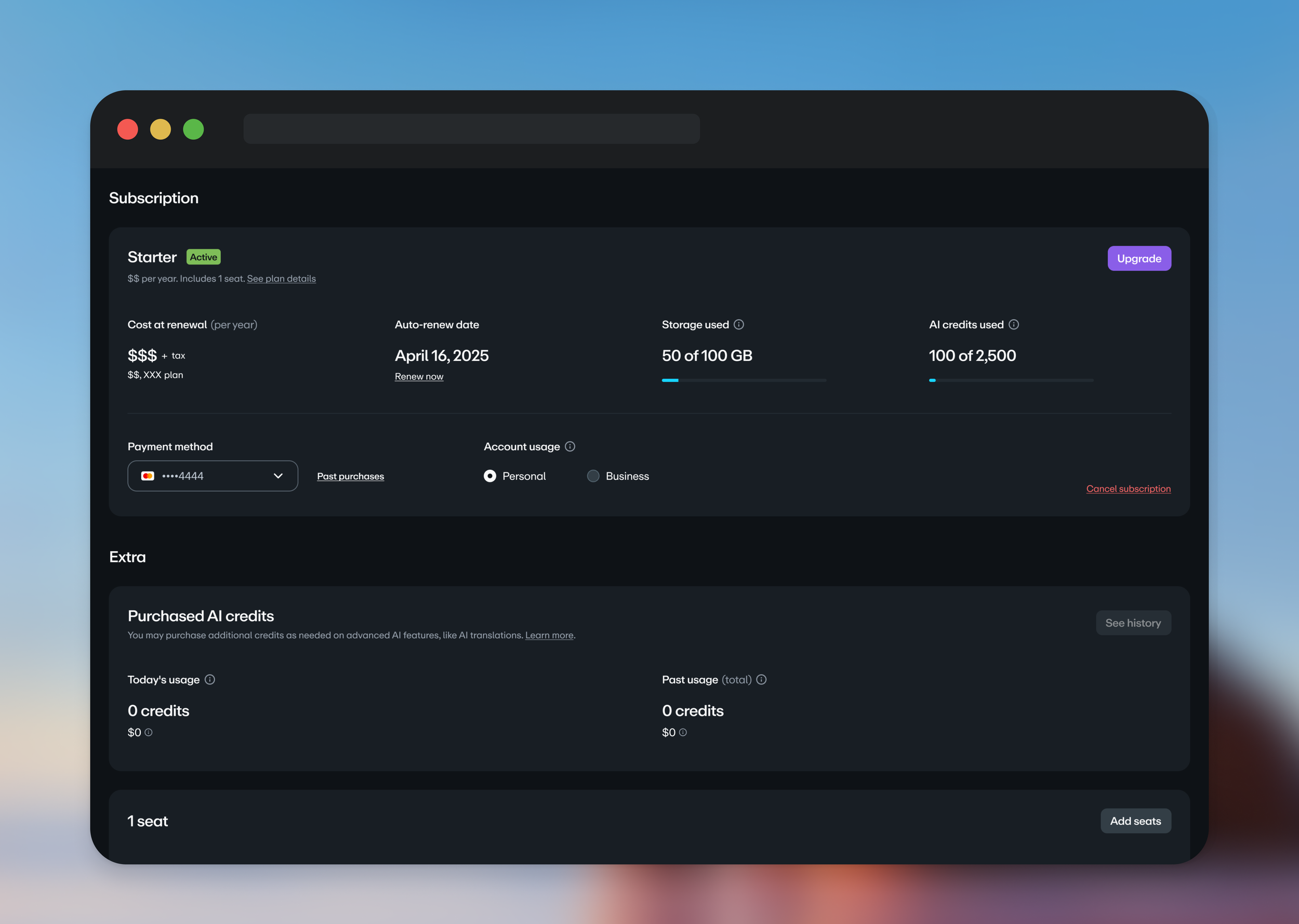
We redesigned the AI credits experience to make AI usage understandable, extendable, and self-served.
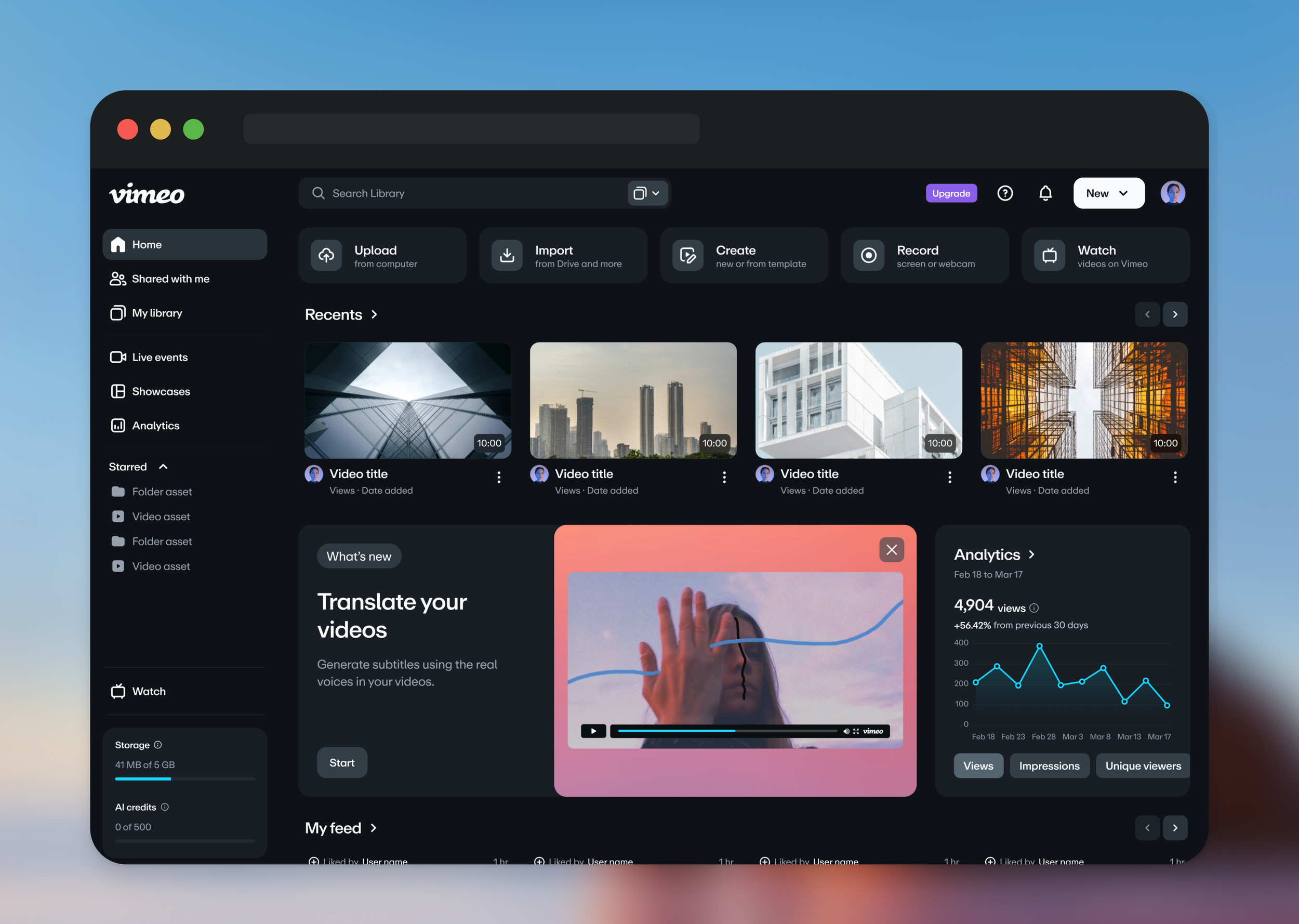
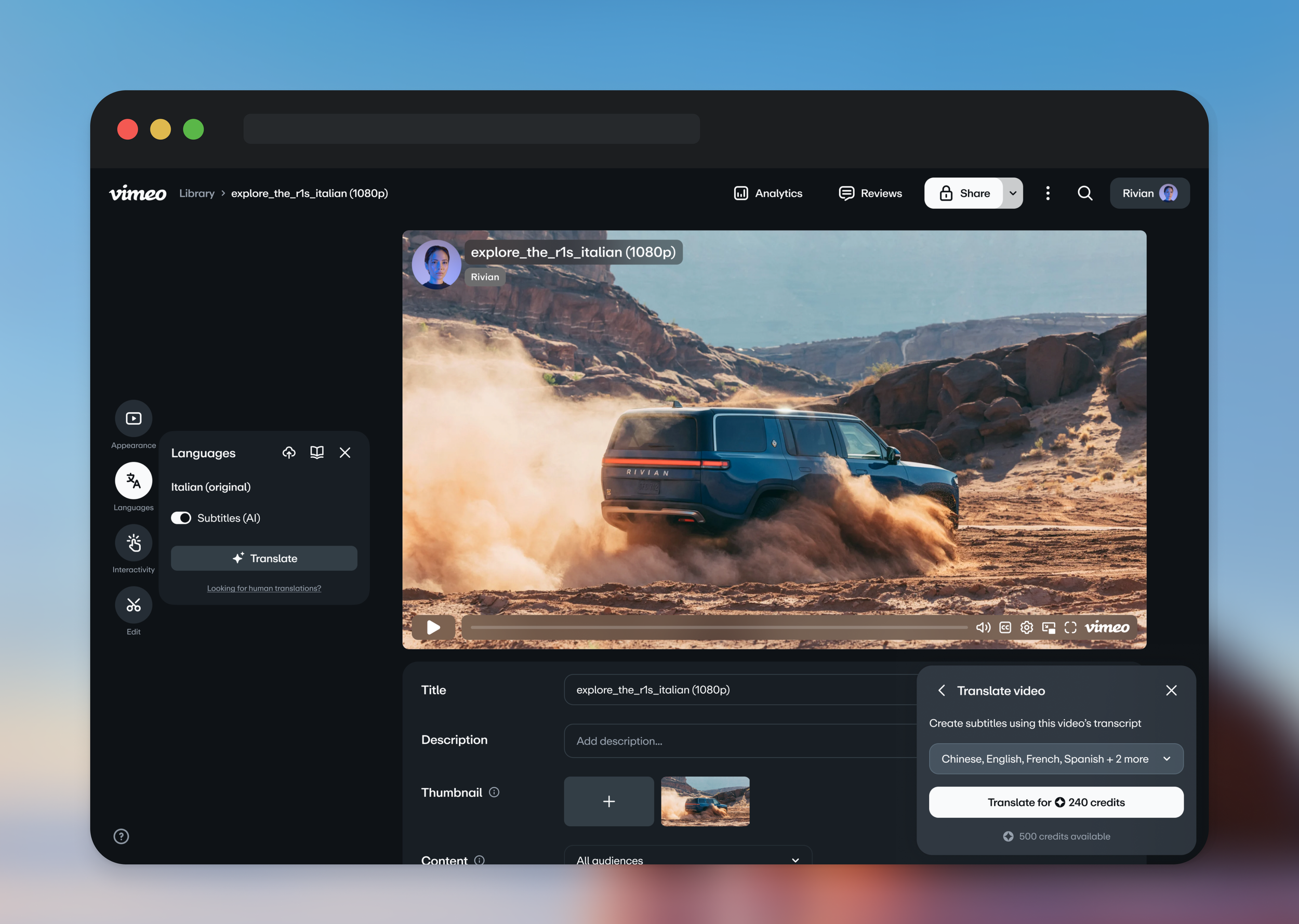
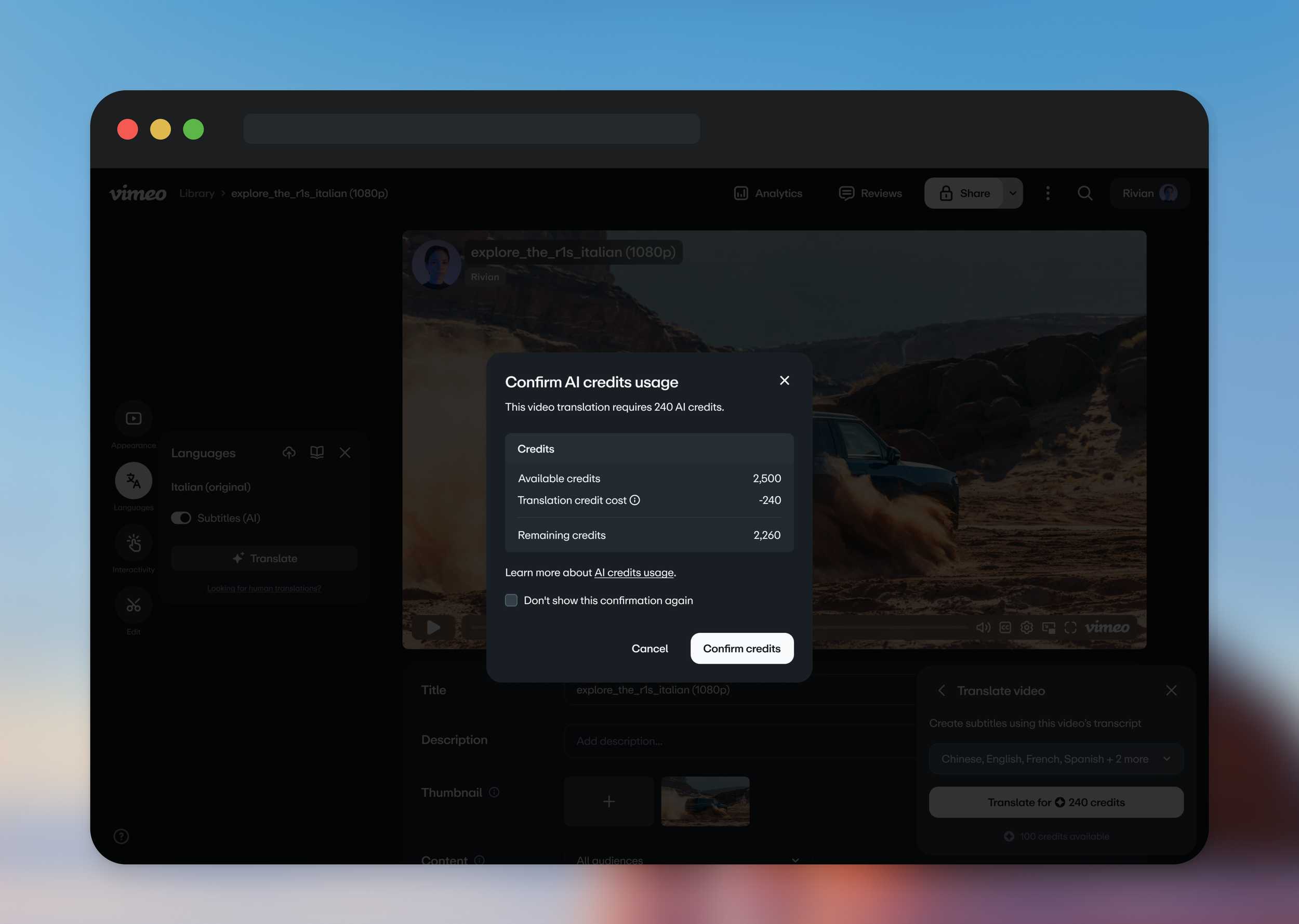
First, we made AI credits visible and legible. Usage meters clearly showed remaining credits, consumption patterns, and upcoming thresholds so users weren’t surprised when limits approached.
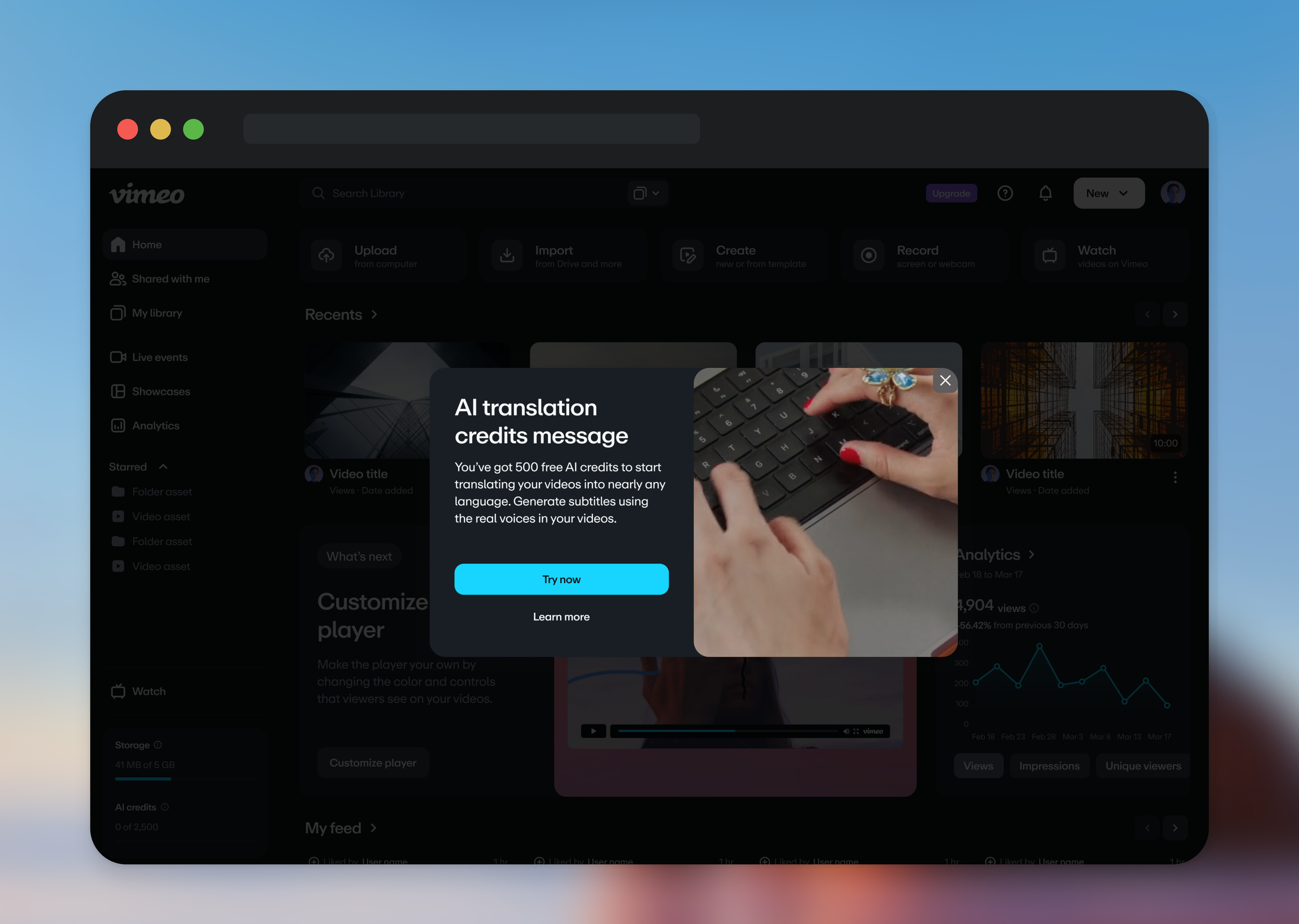
Next, we clarified what AI credits actually mean. Plain-language explanations replaced abstract terminology, helping users understand what actions consume credits and why.
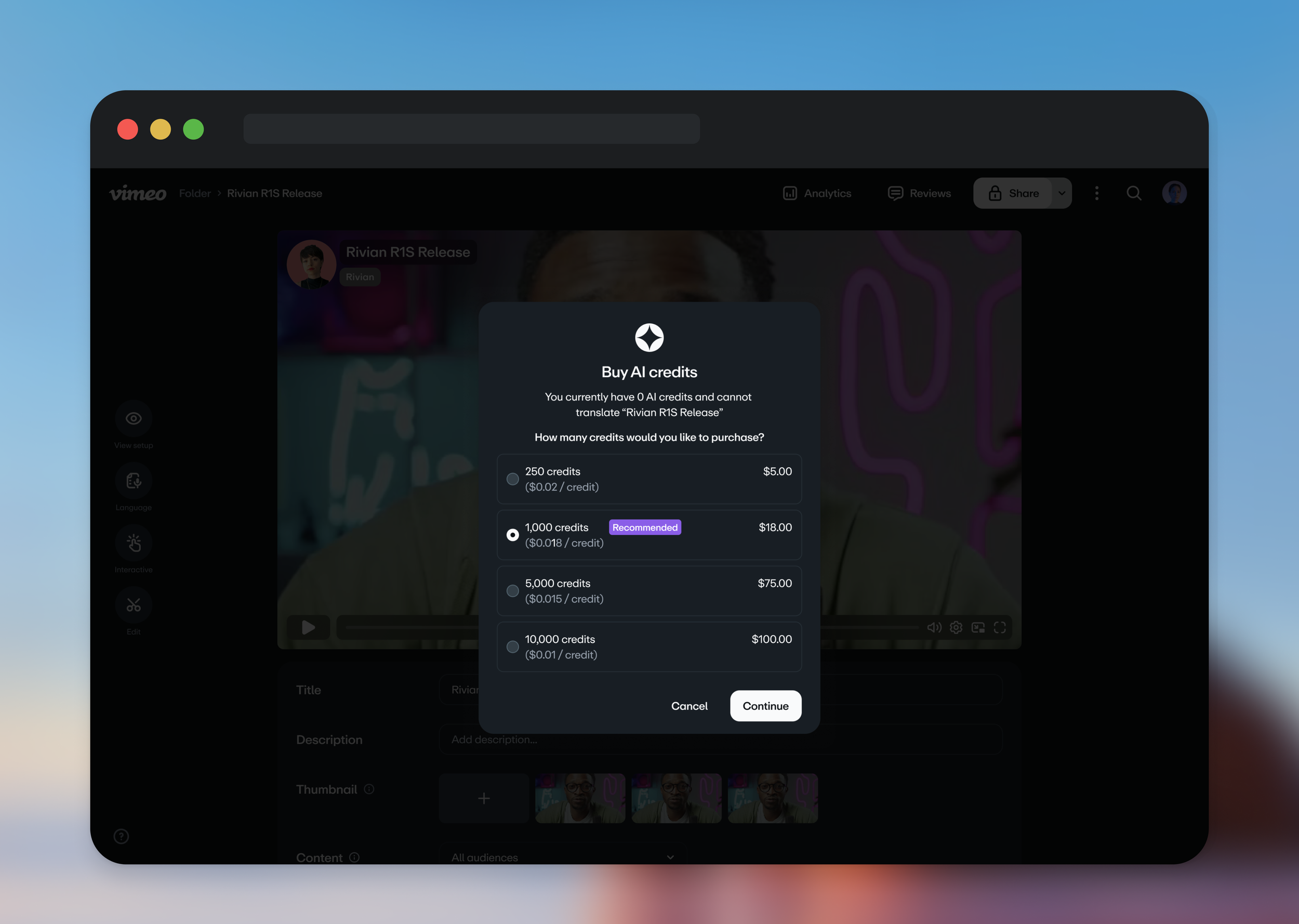
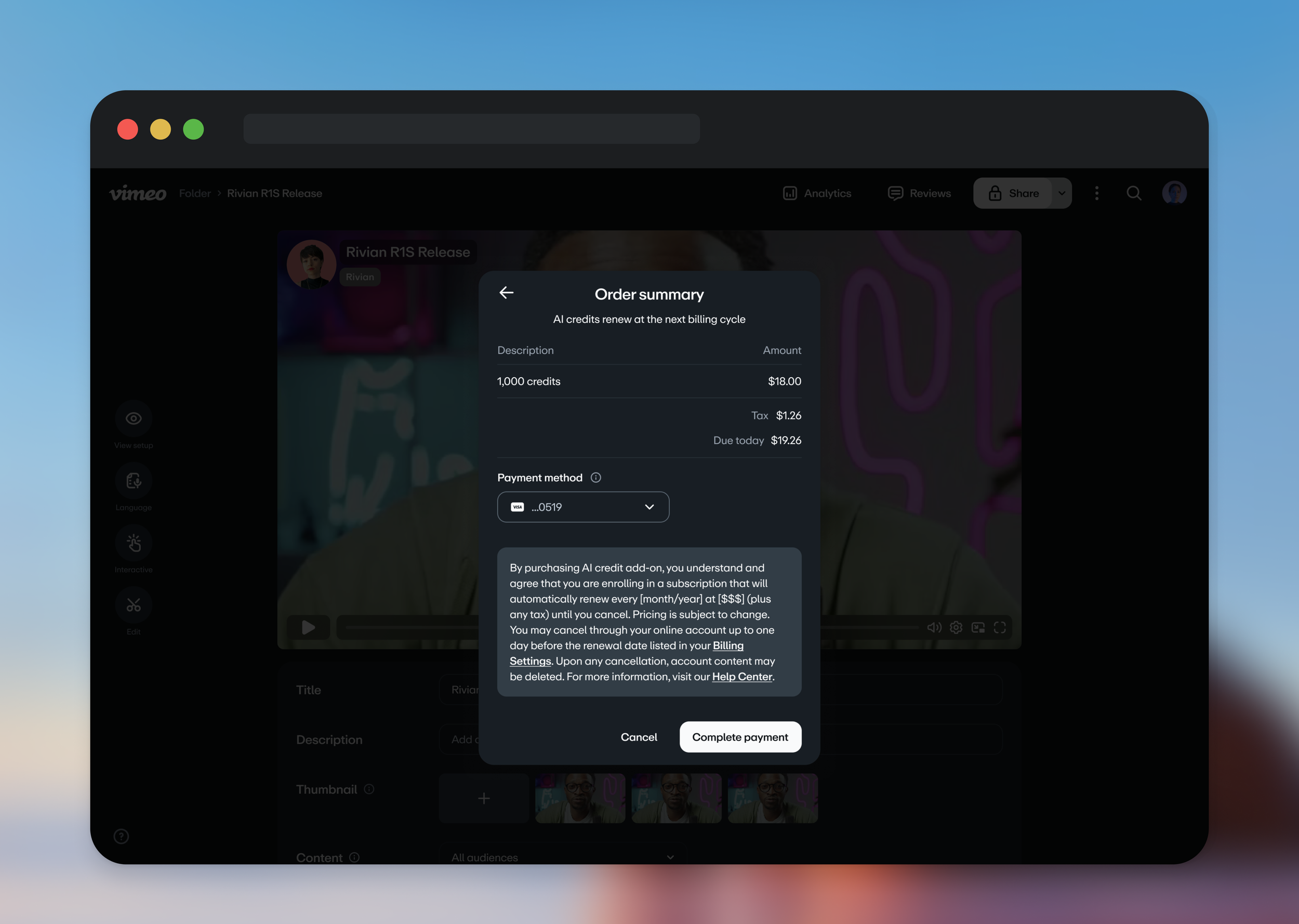
We then introduced flexible purchasing paths:
- Credit bundles for high-volume creators who wanted predictability
- Pay-as-you-go options for lower-volume users who wanted flexibility
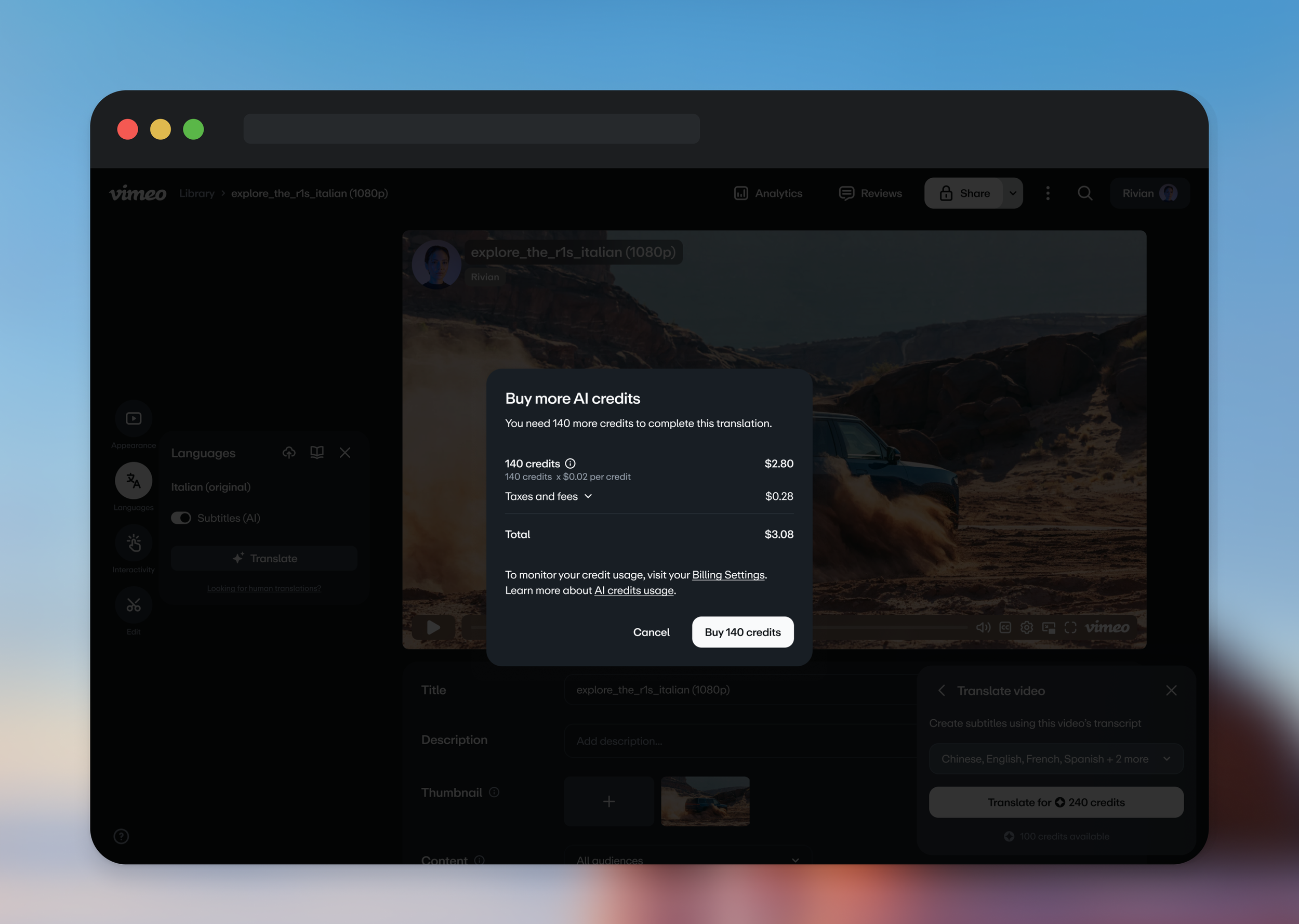
For Enterprise users, this work unlocked something critical: the ability to self-serve additional AI credits without getting blocked or routing through Sales. AI usage no longer stopped when contracts did.
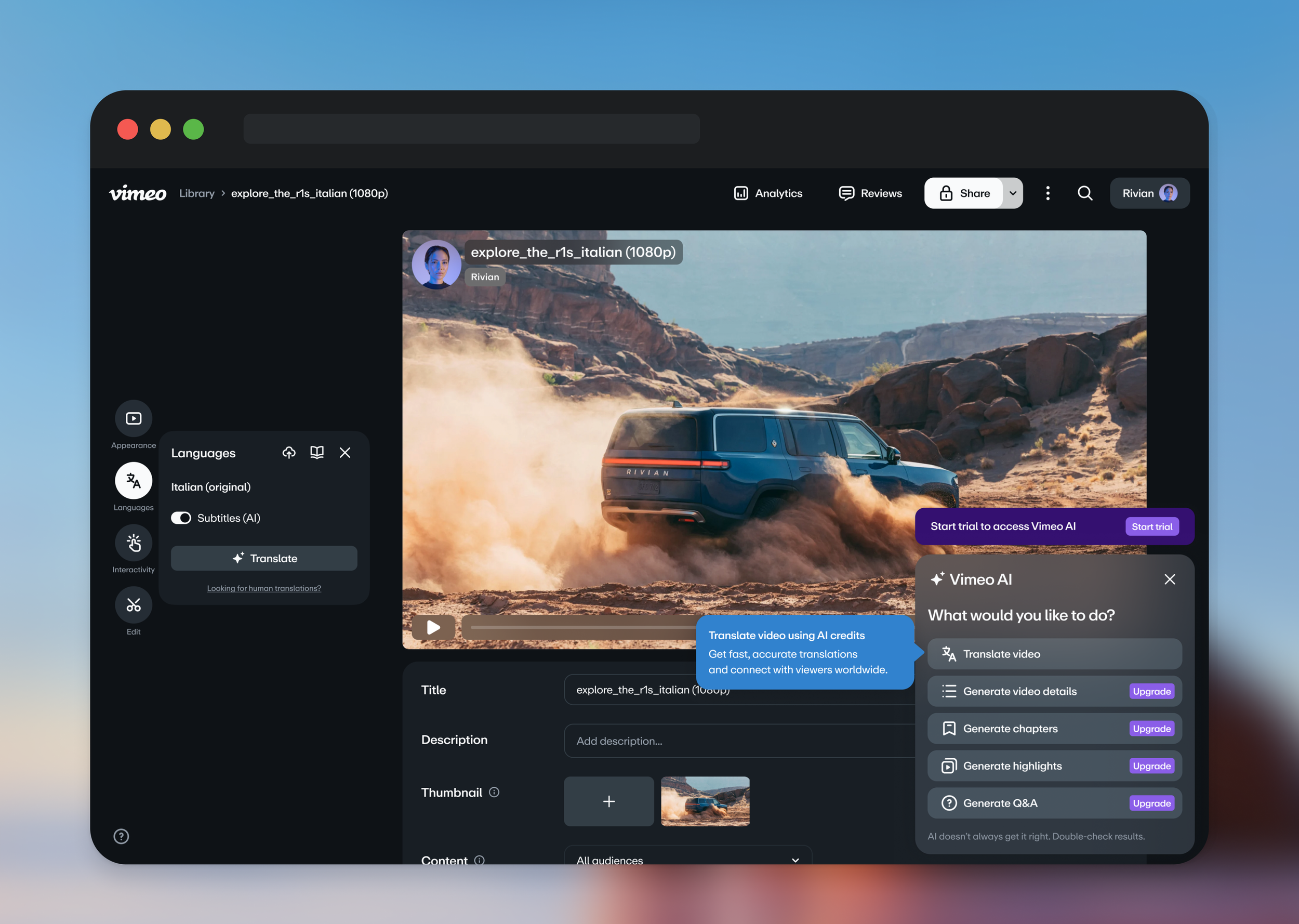
Contextual upgrade moments explained the situation, offered the right purchasing option, and clearly outlined the benefit — without forcing a single path or interrupting work.
Results
AI adoption improved across both Enterprise and self-serve segments. Users engaged with AI features earlier, usage continued without unexpected interruptions, and add-on attach increased when purchasing options matched user intent.
Enterprise users no longer hit dead ends when credits ran out, and self-serve users gained confidence in adopting AI without fear of surprise limits. Support friction related to AI blocking decreased, and trust signals remained steady.
Most importantly, AI monetization shifted from reactive to intentional — driven by clarity and choice, not pressure.
Why This Work Matters
AI monetization is uniquely fragile. When users don’t understand limits, trust erodes quickly.
This project established a scalable, flexible foundation for AI products at Vimeo — one that supports different usage patterns, pricing models, and customer types while keeping users informed and in control.
By combining deep research, validated pricing models, and thoughtful UX, we turned AI credits from a confusing constraint into a clear, self-serve growth opportunity.
Too short; want more?
I would be happy to share my portfolio deck.
Email: galindo.designer@gmail.com